
How to Adjust to a Disability or Chronic Illness
Chronic illnesses are more common than many people realise, and everyone has different experiences when trying to cope with a long-term condition or disability. However, there are a few tips that apply in a lot of situations.
Whether you’ve been dealing with a chronic illness or disability for a while or you’ve recently been diagnosed, here are a few ways to adjust and regain some freedom in your life.
General Health
When you have a chronic illness, it’s easy for every doctor’s visit to focus around the obvious disability. The same applies to your everyday life and how you look after yourself.
But this doesn’t mean there’s no benefit to looking after your general health. On the contrary, if you eat right and do what you can to keep fit, you might find that you can do more than you expect. Good general health can improve your pain and energy levels. It might not cure you, but your quality of life will improve.
Be patient with yourself and your body, and work out your limitations.
Educate Yourself
Learning more about your disability is one of the best ways to learn how to manage it. Try to meet other people with the same or similar diagnoses as you, so you can share experiences and even swap tips.
It can also be helpful to talk to a medical professional about what is happening with your body.
However, try not to compare yourself with others too much. Even two people with the same diagnosis might have different experiences. Also, not all advice is good advice. Take everything with a pinch of salt and bear in mind your own experiences, especially as there are a lot of misconceptions around some disabilities.
Mental Health
It’s fairly well known now that there’s a direct link between your mental and physical health. No, everything isn’t “just in your head”. But poor mental health can lead to worsened physical recovery, and chronic pain or certain limitations can have a massive impact on your mental health.
It’s not unusual to feel angry, depressed, or anxious about a disability or chronic illness. Some people might even go through a mourning period.
Talk to people you trust about what you’re going through. Again, others in a similar situation can lend a listening ear. Friends and family can also be a great help, and in some cases, it’s beneficial to talk to a mental health professional.
Mobility Aids and Supports
Some people resist using mobility aids, but if something can help you get around and reduce your pain, it can do a lot for your sense of freedom. Again, everyone is different, but it’s worth looking into different options and figuring out what can make your life easier.
For example, a freeWheel wheelchair attachment can do wonders for wheelchair users who want some extra freedom and independence in their lives. The attachment makes your wheelchair better for varying terrain, meaning you can go on hikes and explore different places.
*This is a collaboration post


You May Also Like

Enhancing Classroom Learning through Digital Collaboration Tools
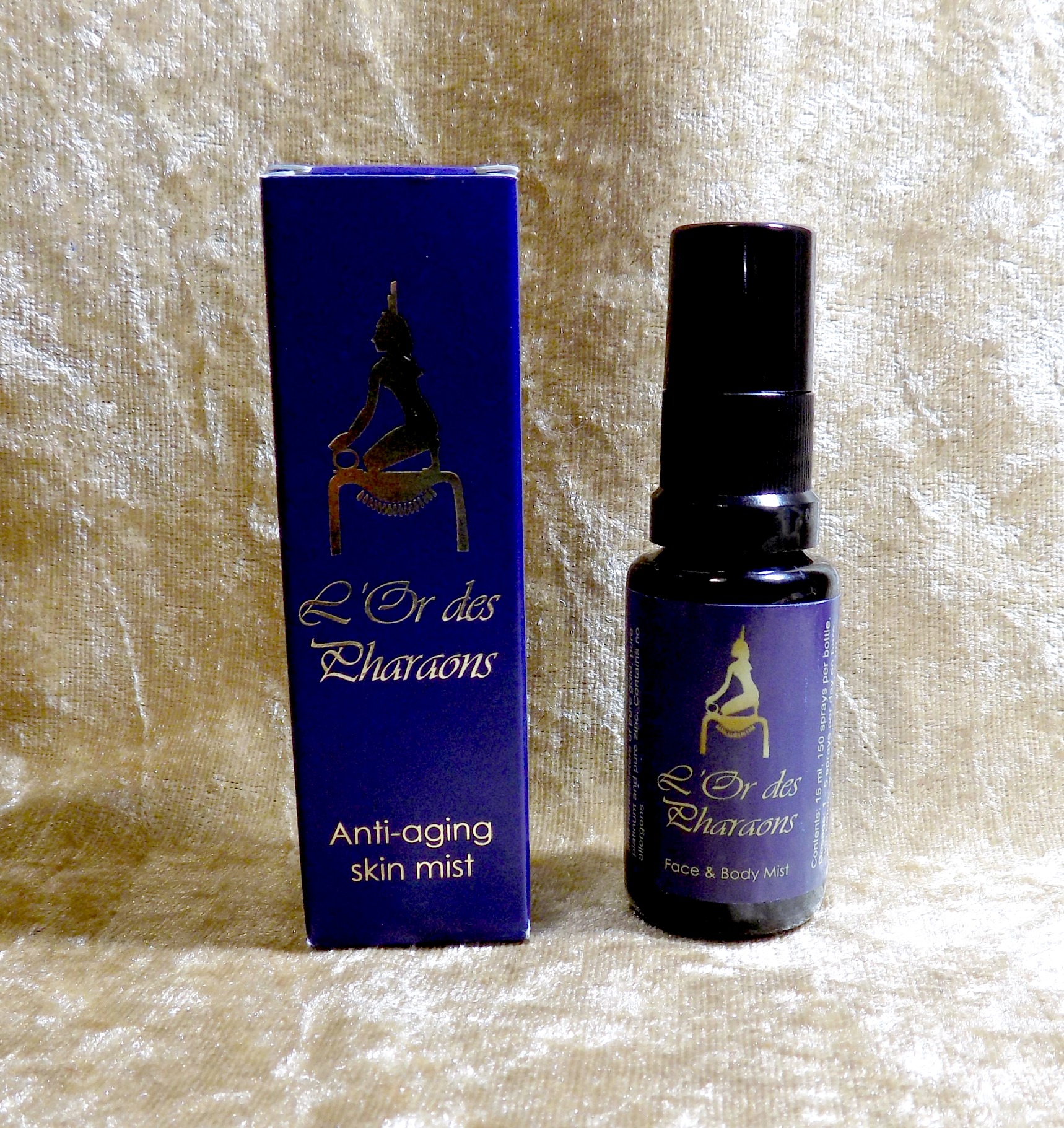
L’Or des Pharaons Anti-Aging Skin Mist – Review
