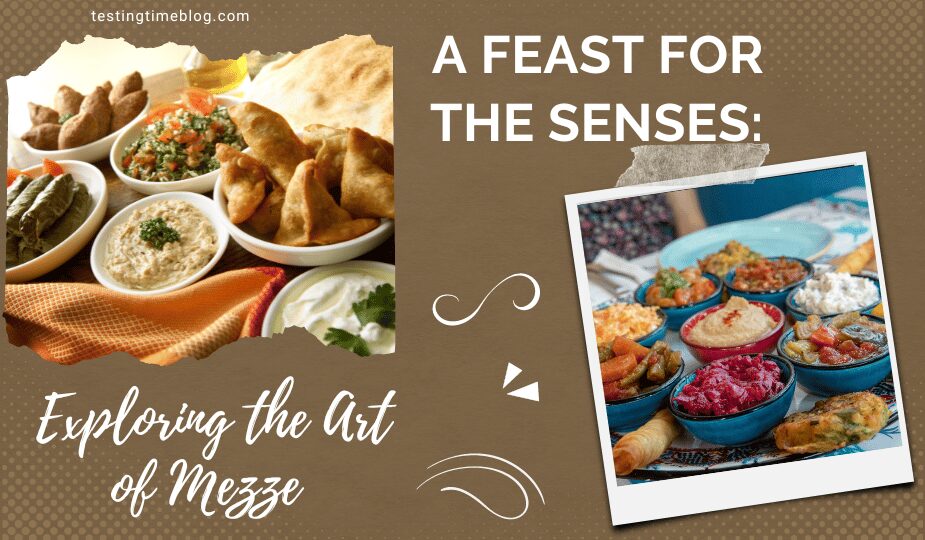
A Feast for the Senses: Exploring the Art of Mezze
When it comes to culinary delights that tantalize the taste buds and evoke a sense of communal enjoyment, few experiences compare to the rich tradition of mezze. Originating from the Middle East and Mediterranean regions, mezze is more than just a meal—it’s a cultural celebration, a social experience, and an art form all rolled into one.
What is Mezze?
Mezze, pronounced “mez-zay,” is a selection of small dishes served as appetizers or snacks in Middle Eastern and Mediterranean cuisine. The word “mezze” itself comes from the Persian word “maza,” which means taste or relish.
The Art of Sharing
At the heart of mezze lies the concept of sharing. It’s not just about the food itself, but also about the communal experience of dining together.
The Mezze Spread: A Symphony of Flavors
A typical mezze spread may include a variety of dishes, each offering a unique taste sensation. Here are some staples you might find:
- Hummus: Creamy chickpea dip infused with garlic, tahini, lemon juice, and olive oil.
- Baba Ganoush: Smoky eggplant dip blended with tahini, garlic, lemon juice, and olive oil.
- Tabbouleh: A refreshing salad made with parsley, mint, bulgur wheat, tomatoes, onions, and seasoned with lemon juice and olive oil.
- Falafel: Crispy chickpea fritters seasoned with herbs and spices, served with tahini sauce.
- Fattoush: A vibrant salad featuring mixed greens, tomatoes, cucumbers, radishes, and crispy pieces of pita bread, dressed with sumac and olive oil.
The Perfect Pairings
Mezze is often accompanied by various breads, such as pita or lavash, which are perfect for scooping up dips and spreads. Additionally, olives, pickles, and fresh vegetables provide refreshing contrasts to the richer flavors of the dishes.
A Culinary Journey Through History
To truly appreciate mezze is to understand its rich historical roots. This culinary tradition has been shaped by centuries of cultural exchange and migration, drawing influences from the diverse civilizations that have inhabited the Middle East and Mediterranean regions.
Ancient Origins
The origins of mezze can be traced back to ancient Persia, where the custom of serving small dishes as appetizers or palate cleansers dates back thousands of years.
The Art of Mezze Making
While enjoying mezze at a restaurant or gathering is a delightful experience, there’s something special about preparing it at home. Whether you’re hosting a dinner party or simply craving a taste of the Mediterranean, creating your own mezze spread is easier than you might think. Check out these delicious Levantine mezze recipes for some inspiration.
Simple Ingredients, Bold Flavors
One of the beauties of mezze is its simplicity. Many of the traditional dishes require just a handful of ingredients, yet they pack a punch in terms of flavor and texture. With staples like olive oil, garlic, lemon, and fresh herbs, you can create an impressive array of dishes that will impress your guests and delight your taste buds.
Get Creative in the Kitchen
While there are classic recipes for dishes like hummus and baba ganoush, don’t be afraid to put your own twist on things. Whether it’s adding a sprinkle of za’atar to your hummus or roasting your eggplant for an extra smoky flavor, the possibilities are endless.
Bringing Mezze into Your Home
Now that you’ve been tantalized by the flavors and traditions of mezze, it’s time to bring this culinary experience into your own home. Follow these simple steps to create your own mezze spread and delight your senses:
Step 1: Plan Your Menu
Start by choosing a selection of mezze dishes that appeal to you and your guests. Consider a balance of flavors, textures, and colors to create a well-rounded spread. Don’t forget to include classics like hummus and baba ganoush, as well as some lesser-known gems for variety.
Step 2: Gather Your Ingredients
Visit your local market or grocery store to gather fresh, high-quality ingredients for your mezze dishes.
Step 3: Prep Like a Pro
Before your guests arrive, take some time to prepare your mezze dishes. Chop vegetables, blend dips, and marinate olives to ensure everything is ready to go when it’s time to serve. Don’t be afraid to get creative with your presentation—mezze is all about celebrating the beauty of food!
Step 4: Set the Scene
Create an inviting atmosphere for your mezze feast by setting a beautiful table with colorful linens, candles, and fresh flowers. Consider playing some traditional Middle Eastern or Mediterranean music to set the mood and transport your guests to a faraway land.
Step 5: Enjoy the Experience
As your guests arrive, encourage them to relax and enjoy the experience of mezze. And don’t forget to raise a glass to the magic of mezze!
Frequently Asked Questions
What’s the difference between mezze and tapas?
While both mezze and tapas involve small dishes served as appetizers or snacks, they originate from different culinary traditions. Mezze is associated with Middle Eastern and Mediterranean cuisine, while tapas is a Spanish tradition. Additionally, mezze tends to feature more dips, spreads, and salads, while tapas often includes a variety of hot and cold dishes, including seafood and meats.
Can mezze be served as a main course?
While mezze is traditionally served as a starter or appetizer, it can certainly be enjoyed as a main course, especially for a light and casual meal. Simply increase the variety and quantity of dishes to create a more substantial spread that can satisfy hungry appetites.
Savoring the Magic of Mezze
Whether you’re enjoying it at a bustling restaurant or preparing it in your own kitchen, mezze is more than just a meal—it’s a celebration of life, love, and the joy of sharing. So gather your friends, pour a glass of wine, and let the feast begin!


You May Also Like

The Ultimate Guide to Microneedling: How It Works and Its Benefits

Hopeless by Elsie Silver (#5 Chestnut Springs) – A Heartfelt Journey of Redemption, Healing, and Love
