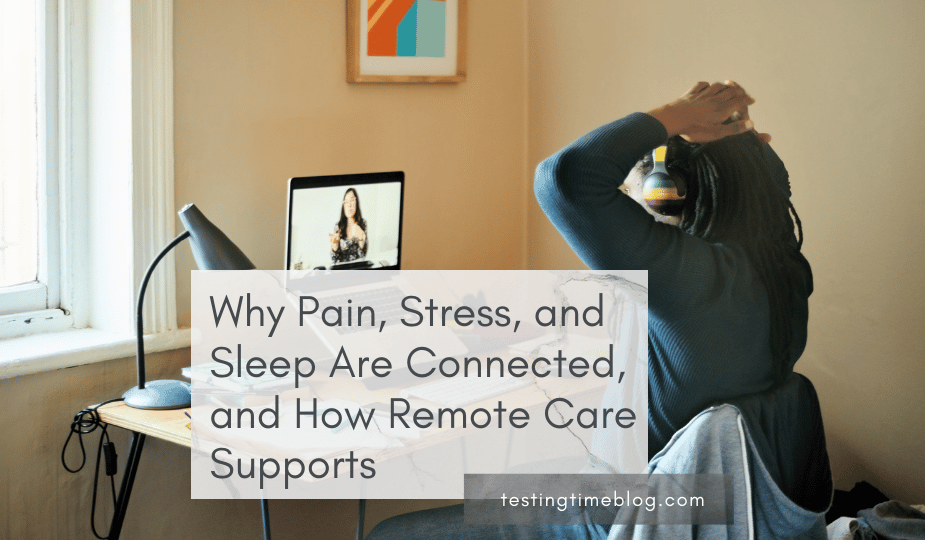
Why Pain, Stress, and Sleep Are Connected, and How Remote Care Supports
Health problems rarely exist in isolation. Pain affects sleep. Poor sleep increases stress. Chronic stress heightens sensitivity to pain. Once one element is out of balance, the others often follow, creating a cycle that can be difficult to break.
For many people, accessing timely care for these issues has traditionally been inconvenient or fragmented. Remote healthcare is changing that dynamic, making it easier to address these three foundations of wellbeing together rather than as separate problems.
The Shared Impact of Pain, Stress, and Sleep
Pain: Persistent pain does more than limit movement. It drains energy, affects mood, and interferes with rest. Over time, unmanaged pain can reduce concentration, productivity, and overall quality of life, even when the original cause is no longer acute.
Stress: Short bursts of stress are normal. Ongoing stress is not. When the nervous system stays in a heightened state for too long, it can contribute to anxiety, low mood, digestive issues, cardiovascular strain, and increased pain perception. Stress also makes it harder for the body to switch into recovery mode.
Sleep: Sleep is the body’s reset button. During deep rest, tissues repair, hormones regulate, and the brain consolidates memory and emotional processing. When sleep is disrupted, everything else suffers, including immune function, focus, and resilience to stress.
Because these three areas are so closely linked, treating only one often delivers limited results.
How Remote Healthcare Fits Into Modern Life
Telehealth has grown rapidly not because it replaces traditional care, but because it removes barriers. For people dealing with ongoing symptoms, the ability to speak with a clinician without travel, waiting rooms, or rigid schedules can make consistent care far more realistic.
Remote clinics offer flexibility that suits modern routines, particularly for those managing discomfort, fatigue, or mental strain. Appointments can take place at home, reducing physical stress and making it easier to focus on the conversation rather than the logistics.
Personalised Care Without the Commute
One of the most valuable aspects of telehealth is continuity. Patients can work with qualified clinicians who take the time to understand patterns across pain, stress, and sleep rather than treating symptoms in isolation.
Through structured consultations, healthcare professionals can:
– Review symptom history and lifestyle factors
– Identify links between stress, sleep disruption, and physical discomfort
– Adjust treatment plans gradually based on response
– Provide guidance that fits into real daily habits
This approach recognises that recovery is rarely linear and that small, sustained changes often deliver the most meaningful improvements.
Managing Common Conditions Through Telehealth
Remote care is now used effectively for a wide range of concerns and conditions linked to these health pillars.
For ongoing pain conditions, clinicians can guide patients through medication options, movement strategies, and lifestyle adjustments aimed at reducing flare-ups rather than simply masking symptoms.
For stress-related challenges, telehealth enables access to counselling, behavioural therapies, and practical coping strategies that support nervous system regulation over time.
For sleep issues, providers can assess routines, identify behavioural triggers, and recommend evidence-based interventions designed to improve sleep quality and consistency.
Importantly, these conversations happen in an environment where patients are often more relaxed, which can lead to more honest and productive discussions.
Getting More Value From Remote Appointments
To make telehealth work well, preparation matters. Writing down symptoms, tracking sleep patterns, and noting stress triggers can help clinicians see the bigger picture more quickly.
Choosing a quiet, private space for appointments allows for open conversation, while following through on recommendations ensures progress does not stall between sessions.
Many platforms also offer ongoing support tools, such as patient portals or educational resources, which help maintain momentum outside scheduled appointments.
A More Integrated Approach to Wellbeing
Pain, stress, and sleep form the backbone of everyday health. When they are addressed together, rather than separately, outcomes tend to improve.
Telehealth has made this integrated approach more accessible, allowing people to seek support earlier, stay consistent with care, and adapt treatment as their needs change.
Rather than reacting once problems become overwhelming, remote care encourages a more proactive relationship with health, one built on understanding patterns, making adjustments, and supporting the body’s natural capacity to recover.


You May Also Like

How to Save for a New Car Quickly

Summer Home Improvements That Cut Winter Energy Bills
