How to Prioritise Health for a Demanding Career
Juggling a demanding career often means that personal health takes a back seat. Long hours, tight deadlines, and constant pressure can make it feel impossible to prioritise your well-being. However, neglecting it can lead to burnout and decreased performance over time. Integrating healthy habits into your professional life isn’t a luxury; it’s a necessary strategy for long-term success and resilience.
Managing Stress and Burnout
To manage career-related stress, you first need to recognise its signs. These can include irritability, trouble concentrating, sleep problems, and a constant feeling of being overwhelmed. While some stress is a normal part of any challenging job, chronic stress can lead to burnout, a state of emotional, physical, and mental exhaustion. Preventing burnout requires proactive strategies, not just reactive ones.
Set firm boundaries between your work life and personal time. Simple mindfulness techniques, such as taking a few deep breaths before a meeting or practicing a short meditation during your lunch break, can also help reset your nervous system. Don’t underestimate the power of short breaks throughout the day to clear your head and improve focus.
Recognising When You Need a Check-up
Busy professionals often dismiss persistent fatigue, nagging aches, or poor sleep as normal side effects of a demanding job. However, these can be early warning signs that your body needs attention. Listening to your body is a critical skill. A headache that won’t go away or a backache that gets progressively worse shouldn’t be ignored. Pushing through these symptoms without addressing the root cause can turn minor issues into major health problems.
Regular check-ups with a healthcare provider are essential for preventative care. Many companies recognise this and provide access to occupational health services to support employee wellness and address work-specific health concerns. These services can help identify potential issues early and ensure you are fit for your role, protecting both your health and your career.
Nutrition for Sustained Energy
The food you eat directly impacts your energy levels, focus, and mood throughout the workday. The link between stress and health is well-documented, with poor nutrition often affecting the body’s stress response. To maintain sustained energy, focus on a balanced diet rich in whole foods.
- Stay Hydrated: Dehydration can cause fatigue and brain fog. Keep a water bottle at your desk and sip throughout the day.
- Choose Complex Carbs: Opt for oatmeal, whole-grain bread, and brown rice over refined carbs. They provide a slower, more stable release of energy.
- Pack Smart Snacks: Keep healthy options like nuts, yogurt, or fruit on hand to avoid reaching for vending-machine junk food when you hit an afternoon slump.
- Don’t Skip Meals: Skipping meals can cause your blood sugar to drop, leading to irritability and poor concentration. Even a small, healthy meal is better than nothing.
Fitness Routines for Busy Schedules
The thought of fitting a one-hour gym session into an already packed schedule can feel daunting. The key is to reframe your idea of exercise, and consistency is more important than duration.
Consider “exercise snacking,” which involves breaking up your activity into small, 10- to 15-minute chunks throughout the day. High-Intensity Interval Training (HIIT) is another excellent option for busy people, as it provides a full-body workout in as little as 20 minutes. Schedule these short workouts in your calendar just like any other appointment to ensure you stick with them.
Building a Long-Term Health Plan
Maintaining your health is about creating a sustainable, long-term plan. Start by setting small, realistic goals. Instead of a vague resolution to “get healthier,” aim for something specific, like “I will take a 20-minute walk during my lunch break three times a week.”
As healthy habits become more ingrained, you can gradually build on them. The goal is to make these practices a non-negotiable part of your routine. A long-term health plan gives you something to fall back on when work gets busy and makes it easier to keep your well-being a priority. The same approach applies at work, where maintaining your health can start with simple, consistent efforts. Small investments in physical and mental well-being can make a real difference in how you feel, work, and handle the demands of everyday life.

You May Also Like

Going On A Road Trip With A Disability
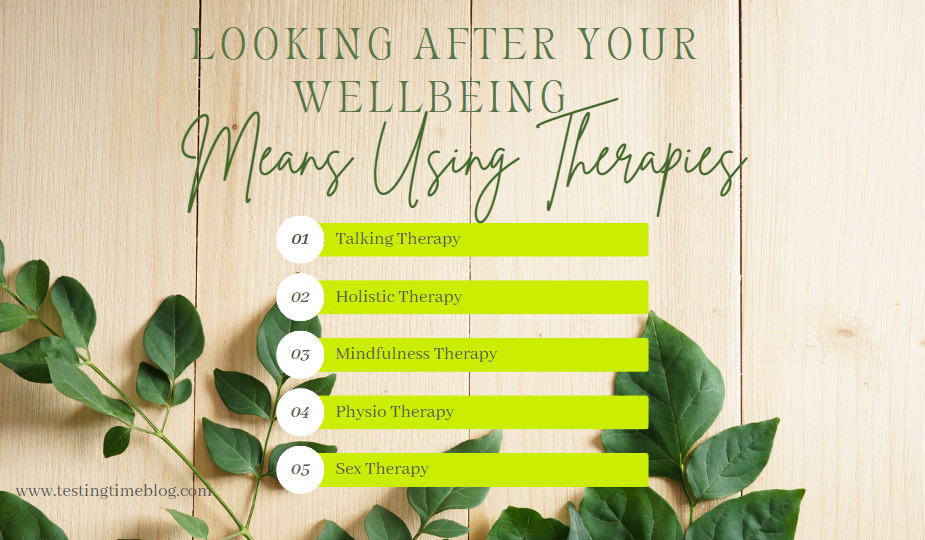
Looking After your Wellbeing Means Using Therapies