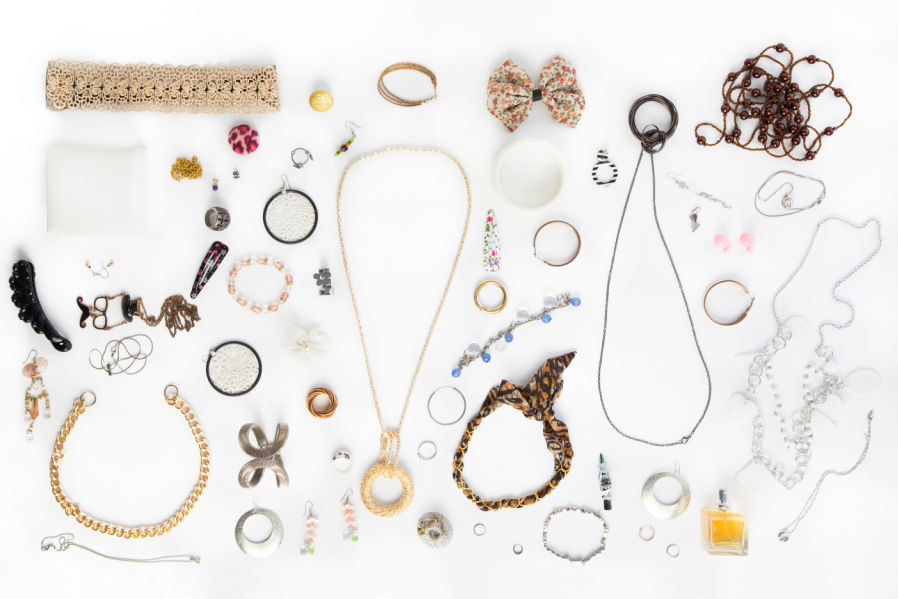
10 Tips for Building a Collection of Sustainable Jewellery
If you love your jewellery but would like to lower your carbon footprint there are a few ways you can build a more guilt-free collection. By being more mindful of the pieces you choose and where you buy them, you can reduce the impact your jewellery shopping has on the environment. The best thing is that opting for quality is more eco-friendly, as tackier jewellery will often end up in a landfill. You can treat yourself to more durable pieces that you’ll cherish for a long time, whether these are from eco-conscious brands, local artisans, or vintage. Here are a few more tips for building a collection of sustainable jewellery.
Support sustainable brands
Research sustainable jewellery brands and browse their collections instead of your standard high street shops. You can look up different brands on social media, for example, to find out more about them. Find a brand that supports a cause that truly resonates with you, whether this is fair trade, or working with local craftspeople. Alternatively, you could just choose a sustainable brand with a particular style that you prefer.
Choose the right materials
The right materials are important. Often jewellers will use a mix of recycled materials or natural metals and stones that can be sourced with minimal impact to the environment. If you’re looking for luxury pieces that are still eco-friendly, infinitydiamondjewellery.com has a wide selection of moissanite pieces, which is an ethical alternative to diamonds with just the same amount of sparkle.
Look into local designers
You could also check out independent designers that use locally sourced materials. This means that fewer emissions have been released during the transportation and manufacturing of the jewellery. If you go away on holiday, this is a nice way to make buying jewellery more personal. Find out about local artisans that create pieces based on the culture of the place and made from locally sourced materials. These may be a little more expensive but are ideal for gifts and souvenirs.
Develop a minimalistic approach
If you want to take a more eco-friendly approach to shopping in general it’s important to be mindful and minimal. Always think twice before buying jewellery and ask yourself if you’re likely to wear it. Try to keep your collection down to a few select items. You’ll find you quickly get used to a more minimalist lifestyle by doing this. Here are some essential tips for living with less.
Opt for quality not quantity
Choose quality long-lasting pieces that you’ll cherish for years to come. The trick is to opt for a timeless look rather than the latest trends. It’s better to invest a little more in a few pieces that will last you instead of picking up cheaper items that could break after a few wears. Always try to minimise waste. You’re also more likely to think twice about what you’re buying if it costs a little more.
Look for versatile pieces
You’ve heard of the famous capsule wardrobe idea, and you can do the same with your jewellery collection. If you’re being more minimal, you need to find versatile pieces that you can wear with a range of outfits for different occasions. Consider the rest of your jewellery collection. Look for something new that can be layered with your existing pieces to create different looks. You could also opt for single statement pieces that will instantly glam up any dress instantly, or add a touch of personality to even the simplest of outfits.
Consider second-hand options
The second-hand route is the best way to go for sustainability. Browse your local charity shops, online second-hand marketplaces, antique or vintage stores. You’ll find more original pieces and you won’t have to worry about the emissions caused by manufacturing. Often second-hand jewellery is much cheaper as well, so it’s a win-win. If you buy something in a charity shop you’ll also be doing your bit to help people in need. You can find some really interesting pieces if you develop a keen enough eye. Take your time browsing and enjoying looking for something that reflects your unique personality and style.
Try upcycling
If you’re the creative type you could even try upcycling old jewellery or repurposing other used items into accessories. There are plenty of amazing things you can do with recycled materials. You could use old fabric to cover tarnished jewellery or add adornments to plainer pieces. Here are a few upcycled jewellery ideas to give you inspiration. If you’re not confident in your jewellery making skills you could always research designers that use this technique.
Be mindful of packaging
Although certain more delicate items will need protecting, there’s no need for excessive packaging. Find out if the sustainable jewellery brands you’re interested in using recycled packaging materials or make an effort to reduce packaging. Many do nowadays, and especially if you’re shopping in person. Reducing packaging is a little more complicated if you’re ordering jewellery online, unfortunately. The best thing you can do if you really want to order that special piece is to try to be mindful about it and only buy it if you’re sure.
Use eco-friendly cleaning agents
You can also take care of your sustainable jewellery collection in an environmentally friendly way. Rather than wasting money on chemical cleaning products, you can actually use plenty of items you probably already have in the home to clean your jewellery. A clean damp cloth with some baking soda makes a very effective polish. You can also soak gold or silver jewellery in vinegar to bring it back to life. Vinegar can be damaging to gemstones or pearls, however, so it’s important to ensure you know which cleaning agents to use. Here is a complete guide to eco-conscious jewellery care.
If you work towards building up a more sustainable jewellery collection, you’ll likely end up with more interesting and unique pieces. These will help you add a more personal touch to your look and you’ll be doing your bit for the environment as well.
*This is a collaboration post

You May Also Like

Bathroom Renovation 101; Considerations For Your Bathroom Remodelling

Writing A Will – Why It Is Needed