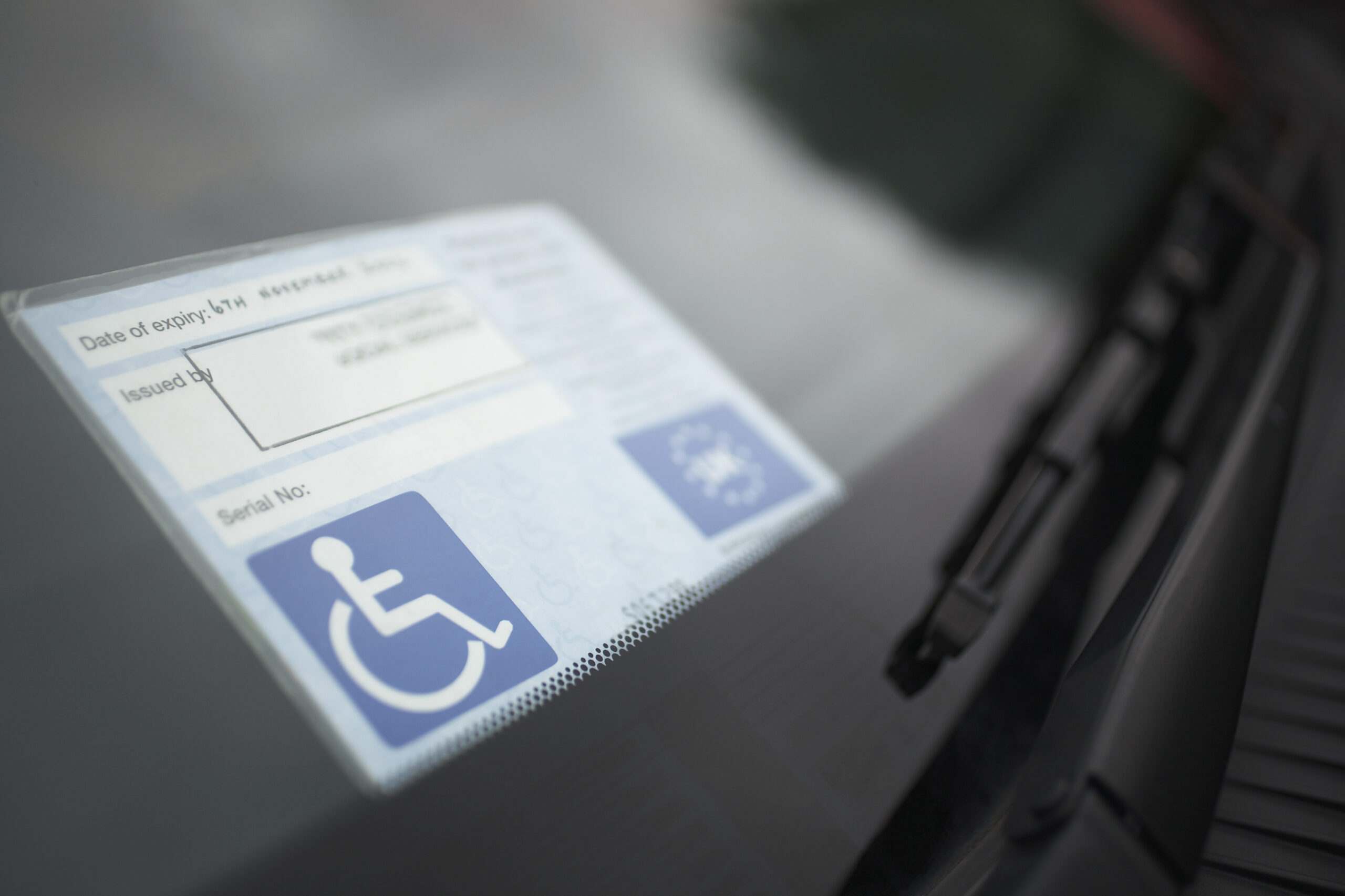
Top Tips for Travelling with a Disability
Travelling with a disability is never easy, there are many ways you can make sure your travels are easy and going as smoothly as possible so here are top tips for travelling with a disability.
A recent article in The Telegraph estimated that around 4 million disabled people in the UK do not travel. Information resources can be few and far between, with disabled travellers feeling little support from travel companies.
In the above article, Angus Drummond explains his diagnosis with muscular dystrophy at the age of 23 and how this has impacted his physical capabilities. He states that as his mobility declined, he “became increasingly nervous about going to new places” as he “struggled to find information for people with disabilities who wanted to travel.” He goes on to say that he “began to understand that for those with a disability, travel was a hassle”.
But it shouldn’t be.
It is important that disabled people have the confidence to travel wherever and whenever they want. Here, we explore some top tips for travelling with a disability, so you can get out there and explore the world.
Top Tips for Travelling with a Disability
Get An Adapted Vehicle
You can purchase, lease or hire adapted and special service vehicles. Companies such as Allied Fleet design and build high-quality vehicles and even offer bespoke conversions, so no matter what your requirements, you can get the perfect vehicle. There are lots of options in various sizes, from cars right through to minibuses – so you are sure to find the one to suit you. Having the right vehicle will give you the freedom to travel whenever you like and in the comfort of your own car.
Depending on your disability, you can get assistance from the government and claim for a disability type of allowance, there is a notability element that you can use for an adapted vehicle to help you with your disability. Whether you drive yourself or someone drives for you, you can still claim this allowance if you are entitled.
Plan, Plan, Plan
Make sure you plan at least a day or two in advance, especially if you are travelling on public transport. Ring the travel company 24 to 48 hours before your journey so they can arrange any special requirements. It’s also worth booking hotels as far in advance as possible. Not only will this get you a cheaper rate (hurrah!) it will also give you the best chance of getting an accessible room, as certain hotels only have one or two on offer. Make sure you’re clear when booking what your requirements are, so you can avoid unnecessary issues on arrival.
Before you go anywhere, make sure you are calling everywhere that you are going to and they can ensure there is adequate access and let you know if any potential issues such as the lifts are out of order. This will again ensure a smooth journey and you are able to travel without a hitch.
Research Your Destination
It is also worth researching the place you are travelling to, so you can plan your route to avoid any accessibility issues. Look into the availability of ramps, smooth pavements and accessible building entrances before you set off. If you have prior knowledge of areas with troublesome cobbles or flights of stairs you can plan an alternative route.
ALWAYS Carry Medical Alert Info
It’s really important to carry any medical alert information in a place that’s easy to find. Pop it in your wallet/purse near your ID or on a necklace, so that anyone who assists you understands your requirements. It’s also worth bringing extra medication in case of an emergency – if you are flying, keep it in your hand luggage! It’s not much use in your suitcase!
Lastly, enjoy your trip. Try to prepare as much as possible so you can sit back and relax on your journey.
*This is a collaboration post
Copyright: Image by StockUnlimited